
不明觉厉
"China Cool" appeals to international tourists in more ways than one_我的网站

A |
"I've come to nature's air conditioner."
That was the reaction of a Spanish tourist visiting southwest China's Yunnan Province this summer. Before arriving, he had been enduring temperatures of around 40 degrees Celsius. But when his flight landed in Kunming and he stepped out into the breeze, the relief was immediate. His trip in search of cooler weather had proved well worth it.
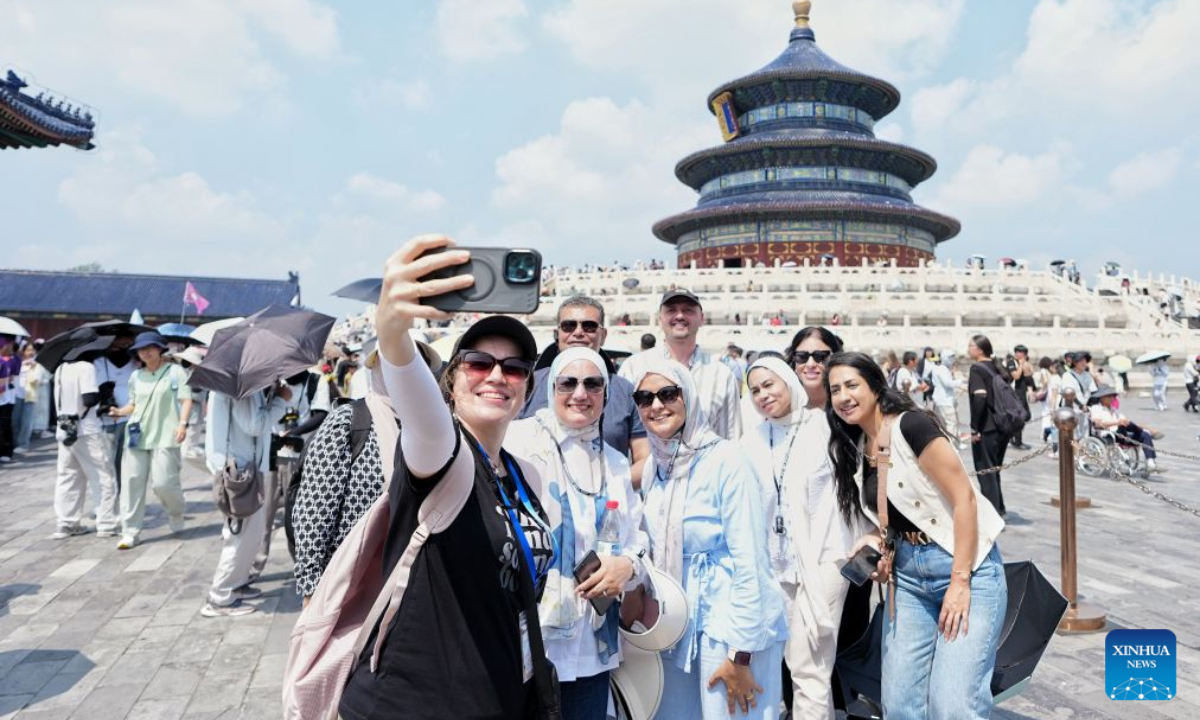
This summer, as heat waves swept across many parts of the world, an increasing number of foreign tourists are heading to China to escape the heat.
In places such as Zhangjiajie in central China's Hunan Province, where mountain scenery creates a natural cooling effect, and the water town in "Jiangnan," the scenic region south of the Yangtze River, where visitors can enjoy the slower pace of life by the canals, cool weather has become part of the travel experience itself. Local specialties and products that help people beat the heat add to the appeal.
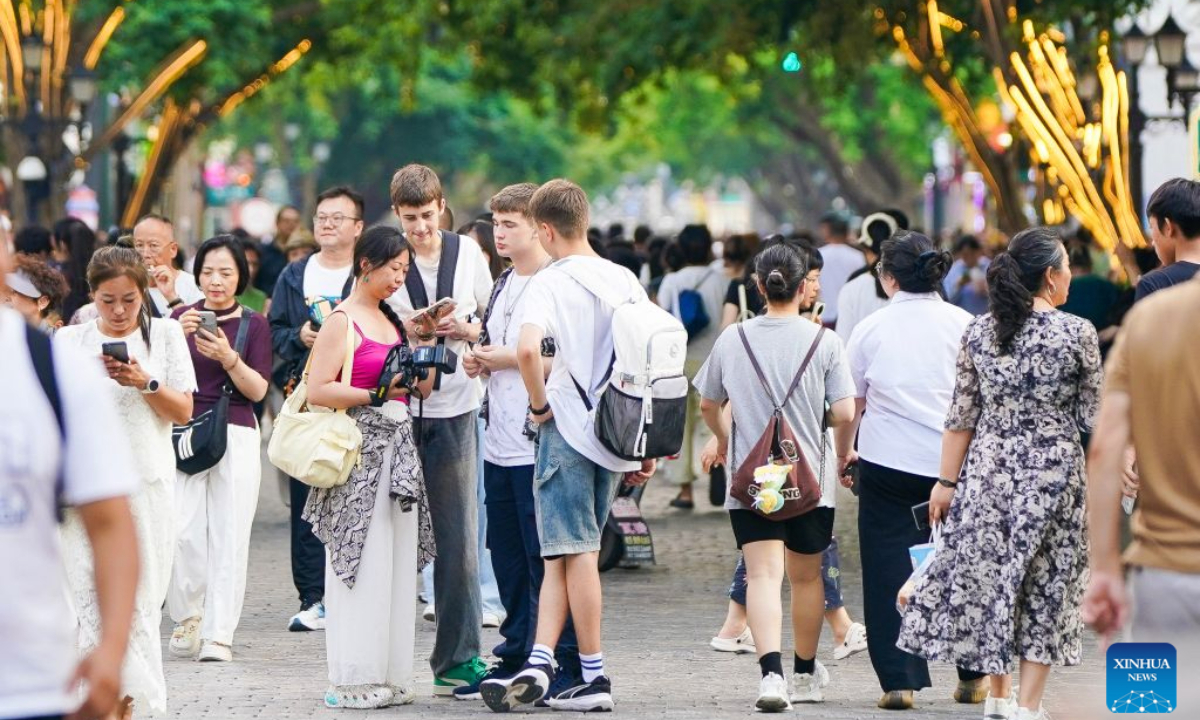
But the "cool" in "China Cool" goes beyond the weather. It also comes from the variety of experiences available to visitors. They can listen to the bells of an ancient temple at dawn, learn traditional crafts from artisans, take a high-speed train to another city, or simply order a late-night meal with a few taps on a smartphone. Such everyday experiences showcase China where tradition, convenience and modern life coexist.
That sense of "cool" is even more striking when it comes to technology. Visitors can explore smart factories, try AI glasses with real-time translation, interact with robots, and take autonomous vehicles. For many foreign visitors, these experiences offer a glimpse of China's high-tech future and add a new dimension to the country's image beyond its traditional landmarks.
The growing number of international visitors has also been facilitated by China's efforts to make travel more convenient. According to the National Immigration Administration, China received 22.91 million inbound foreign visitors in the first half of 2026, up 20.4 percent year on year. Visa-free entries accounted for 77.7 percent of this total.
As more visitors arrive and experience the country firsthand, the way China is talked about overseas is also evolving. Phrases such as "China Travel," "Becoming Chinese" and "Chinamaxxing" have gained attention on overseas social media, while "China Cool" offers a new way to capture the broader appeal of these experiences, reflecting interest in China that is no longer experienced only through its famous landmarks, but also through its culture, technology, services and everyday life.
For international visitors, China is proving to be cool in more ways than one.


。

B |

C | 但尴尬的是,她根本没有眼睛。国内广告监管部门盯上了这则离谱的代言广告:一条报价25.8万的AI网红带货视频,主推的是三类医用隐形眼镜,可这个虚拟人物,压根没办法佩戴、也感受不到这款产品。这支广告拍得特别像日常小短剧,很有代入感。视频里,一个戴眼镜的女生抱怨普通隐形眼镜戴着磨眼、不舒服。紧接着,AI网红方桃子从包里掏出一盒Nutnutlook隐形眼镜,种草说这款镜片“戴一整天都超舒服”,“随便眨眼都没问题”。

图源:微博截图画面质感到位、氛围也很温馨,唯独一点:全程都是假的。方桃子是纯AI生成的虚拟人物,没有眼睛,没有角膜,更没有神经系统,根本不可能有佩戴隐形眼镜的体验。2026年8月初,这条广告已经悄悄下架。之所以被撤,是因为网友疯狂吐槽、加上合规严查,彻底曝光了一个乱象:现在的AI网红营销,早就跑在了监管规则的前面。不会眨眼、没有感官,却成了高价带货网红如今全网热度超高的新晋网红方桃子,从头到尾都只是屏幕里的虚拟像素,而这一点,也让这起广告违规事件彻底翻车。方桃子的人设是20岁左右的年轻女生,由广州一家传媒公司打造,凭借AI短剧《失业女孩》爆火。这部剧讲的是小镇女生闯荡职场、摆脱职场霸凌、追逐模特梦想的故事,全网播放量直接冲破2.5亿,人气极高。
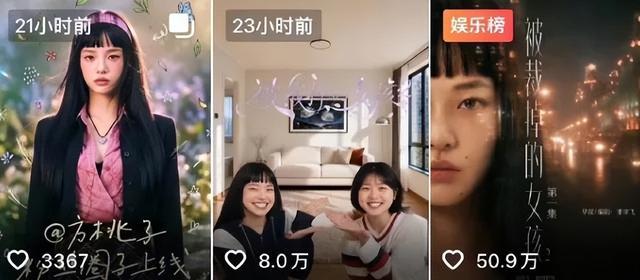
图源:抖音截图她在抖音巨量星图的广告报价更是离谱:20秒以内的短视频广告,收费16.8万;一分钟以上的长视频广告,直接报价25.8万。据业内消息,这个价格,比很多千万粉丝的真人网红报价还要高。但这波高价代言,踩了实打实的法律红线。这款Nutnutlook彩色隐形眼镜,属于三类医疗器械,是国内风险等级最高、监管最严格的医疗器械品类,由国家药监局直接管控。根据我国《广告法》第十六条,明确禁止任何代言人给医疗器械做推荐、打广告、谈使用体验。法律从业者表示,这条规定,同样适用于AI虚拟人物。除此之外,广告里“全天舒适”“眨眼无压力”这类话术,也是法规明令禁止的功效、安全性绝对化宣传。北京德和衡律师事务所的马丽红律师直言,这支广告妥妥属于虚假广告。道理很简单:一个没有感官的AI,硬生生编造出了根本不存在的产品使用体验。这支广告7月底上线后,网友一眼就看出不对劲,纷纷吐槽太过离谱、涉嫌欺诈。

D | 事发后,打造方桃子的传媒公司、以及涉事眼镜品牌全程沉默,没有做出任何公开回应。AI代言的灰色地带,终于被这波翻车戳破很多品牌以为用AI虚拟人带货能钻法律空子,但只要AI角色开口以第一人称分享使用感受,所谓的“合规漏洞”就彻底不存在了。从法律层面来说,AI虚拟形象不算合法的法人,严格来讲算不上官方定义的广告代言人。一旦广告脚本让它以第一人称说“我戴着舒服”、“体验感超好”,这层法律上的身份区别,就彻底站不住脚了。业内文娱法律专家邱志淼提到,AI代言一直是广告行业的法律灰色地带,而且往后只会越来越常见。早前农夫山泉就用过AI形象做产品宣传,各大平台的虚拟主播,更是天天开播带货、做电商直播。但这次的事件格外特殊:超高人气的虚拟IP、高监管级别的医疗器械、再加上AI完全无法感知的感官体验宣传,三样问题叠加,彻底引爆争议。打个通俗的比方:这就好比动画建模做出来的虚拟厨师,跟你吹嘘菜有多好吃、口感有多绝。画面再逼真、表演再完美,从根源上就是假的,根本没有任何可信度。而这起翻车事件,也给所有品牌敲了一记警钟:往后做AI广告,一定要分清边界。AI角色可以出镜拍戏、做内容,但绝对不能冒充用户,分享自己根本体验不到的真实感官感受。
Current article:http://i74p.shuicengchongmingnouhuawang.bond/la7h1i6/20260826/4425.html
Published on:13:58:24
评论
-
关于我们 | 我的网站 版权所有
Copyright ? 2019 我的网站 All Rights Reserved